Heat Stress at Work: The Complete Guide to Symptoms, Risks, and Prevention for Canadian Workers

An Operational Safety Guide for Sustainable Manufacturing and Industrial Environments
Heat stress at work is one of the fastest-growing occupational health threats, and the danger is immediate and real for workers in manufacturing, construction, agriculture, and logistics. Globally, the International Labour Organization (ILO) estimates that more than 2.4 billion workers are exposed to excessive heat, resulting in over 22.85 million occupational injuries every year. Here in Ontario, the Workplace Safety and Insurance Board (WSIB) recorded 350 lost-time claims for heat exhaustion in construction alone between 2006 and 2015—and those figures reflect only a fraction of actual heat-related harm.
Whether your team works on a production floor, outdoors in the summer sun, or in a warehouse, understanding heat stress is no longer optional. Under Ontario’s Occupational Health and Safety Act (OHSA), protecting workers from extreme heat is a strict legal obligation. This guide explains what heat stress is, who is most at risk in Canadian workplaces, how to recognize its warning signs, and, most critically, how Ontario employers and workers can prevent it.
What is Heat Stress?

Heat stress occurs when the body cannot shed enough heat to maintain a safe core temperature. When workers exert themselves physically, especially in hot, humid, or poorly ventilated environments, the body’s cooling mechanisms, primarily sweating, become overwhelmed. Core body temperature rises, placing serious strain on the heart, kidneys, and brain.
Important Safety Threshold: To safely sustain a full eight-hour work shift, core body temperature should not exceed 38°C. Above that threshold, the risk of heat-related illness escalates rapidly, particularly for older workers, those with chronic health conditions, pregnant employees, and anyone new to a physically demanding job in a hot environment.
Heat stress is not a single condition. It exists on a spectrum of increasingly severe illnesses:
- Heat fatigue: Reduced alertness and endurance during prolonged heat exposure.
- Heat rash (miliaria): Skin irritation from blocked sweat ducts.
- Heat cramps: Painful muscle spasms caused by fluid and electrolyte loss.
- Heat syncope: Dizziness or fainting from reduced blood flow to the brain.
- Heat exhaustion: Heavy sweating, weakness, nausea, and rapid heartbeat; the body is coping, but struggling.
- Heat stroke: A life-threatening emergency in which the body’s temperature regulation fails completely.
Who is Most at Risk?
Heat stress affects workers across virtually every sector. The hazard is not limited to outdoor settings or traditionally “hot” industries. Any environment combining physical exertion with heat, humidity, poor ventilation, or radiant heat from equipment creates risk. Indoor manufacturing, warehousing, and logistics environments are as susceptible as outdoor construction sites when conditions are right.
The Canadian Centre for Occupational Health and Safety (CCOHS) identifies the following as primary risk factors: high humidity, radiant heat from equipment or direct sun, heavy physical work, and inadequate hydration. High-risk worker categories include:
- Outdoor workers: construction, agriculture, landscaping, road crews, fisheries.
- Industrial workers: plastics manufacturing, steel plants, foundries, commercial bakeries, laundries, and similar process-heat environments.
- Warehouse, logistics, and delivery workers: those working in uncooled facilities.
- Workers wearing heavy PPE or protective gear that limits the body’s ability to release heat.
- New or returning workers who have not yet acclimatized to hot conditions.
- Workers with pre-existing conditions such as heart disease, diabetes, or kidney problems.
- Older workers and pregnant employees.
A critical and often overlooked risk factor: new workers. The majority of heat-related deaths at work occur during a worker’s first few days on the job before the body has had time to adapt to the heat load.
Common Signs and Symptoms of Heat Stress

The earlier you recognize heat stress, the more lives you protect. Supervisors and coworkers are frequently the first to notice when something is wrong, often before the affected worker does.
Step 1 — Early Warning Signs (Act Immediately)
If a worker experiences any of these symptoms, move them to a cool area and hydrate immediately:
- Heavy, excessive sweating
- Unusual fatigue or weakness
- Dizziness or light-headedness
- Persistent headache
- Muscle cramps
- Nausea or upset stomach
- Rapid or irregular heartbeat
- Difficulty concentrating or mild confusion
Step 2 — Emergency Signs (Call 911 Now)
These symptoms signal a critical medical crisis. Do not delay emergency response:
- Confusion, slurred speech, or erratic behaviour
- Loss of consciousness or fainting
- Hot, dry skin, or a complete stop in sweating (critical indicators of heat stroke)
- Seizures
A common mistake in workplaces: Supervisors and workers dismiss early symptoms as ordinary tiredness or mild dehydration and push through. If symptoms are worsening, especially if a worker stops sweating despite the heat, this is a medical emergency.
The Scale of the Problem: Why Heat Stress Demands Attention Now
The World Meteorological Organization has confirmed that recent years have broken records globally, with daytime temperatures above 40°C becoming increasingly common. Climate change is not a future risk for Canadian workers; it is an active, worsening condition that lengthens and intensifies heat seasons in Ontario every year.
For Canadian manufacturers and industrial employers, this is not a distant concern. Environment Canada consistently records summer daytime highs exceeding 34°C to 35°C across Ontario, Quebec, and Nova Scotia, and forecasters project warmer-than-average conditions to continue. In uncooled manufacturing environments such as plastics production, commercial baking, or metal fabrication, indoor temperatures can climb well past outdoor readings.
Preventing Heat Stress: A Practical Framework for Ontario Employers

Effective prevention rests on four pillars: water, rest, shade or cooling, and training—applied through a systematic, documented plan.
Step 1: Conduct a Heat Hazard Assessment
Identify which job roles, locations, tasks, and times of day create the highest heat exposure. Consider ambient temperature, radiant heat from equipment or direct sun, humidity, physical workload, clothing, and PPE requirements. In manufacturing environments, account for heat generated by machinery, ovens, extruders, or any process heat source. This assessment is the foundation of your written prevention plan.
Step 2: Control Environmental Heat at the Source
Provide adequate ventilation, fans, or air conditioning in indoor production and storage areas. Shield or insulate machinery and equipment that generates radiant heat. Schedule the most physically demanding tasks during cooler parts of the day (early morning or after peak afternoon heat) and rotate workers through hot task assignments to limit each person’s cumulative heat exposure.
Step 3: Hydrate Regularly and Proactively
Workers should drink approximately one cup (250 ml) of cool water every 15–20 minutes during heavy work in the heat without waiting until they feel thirsty. By the time thirst signals arrive, mild dehydration has already begun to impair judgment, motor skills, and temperature regulation. Electrolyte replacement may be appropriate for extended, strenuous work. Ensure drinking water is accessible near the work area, not just in a break room across the facility.
Step 4: Schedule Structured Rest Breaks
Allow workers to recover in shaded or air-conditioned rest areas. Work-rest ratios should be adjusted based on real-time humidex readings or WBGT measurements. When the humidex reaches 35 or higher, rest periods should be more frequent and longer.
Step 5: Implement a Formal Acclimatization Program
New workers carry the highest risk. Acclimatization, the body’s physiological adaptation to sustained heat, takes 7 to 14 days of gradual exposure. During this period:
- Start new and returning workers at no more than 20% of full heat exposure on day one.
- Increase exposure gradually over 7 to 14 days.
- Monitor closely during the first three to four days, statistically the highest-risk window.
This protocol applies to any worker returning from extended leave, vacation, or a period in an air-conditioned environment.
Step 6: Establish a Buddy System and Monitoring Protocol
Workers experiencing early heat stress symptoms frequently do not self-report. A buddy system formalizes the peer-monitoring that good workplaces do informally: coworkers and supervisors watch for slowed pace, confusion, pallor, or unusual errors. Set up clear procedures for who to notify, where to go, and what to do when symptoms appear.
Step 7: Wear Appropriate Clothing and PPE
Lightweight, breathable fabrics reduce heat burden substantially. Where safety-critical PPE limits ventilation, adjust work-rest ratios and shift scheduling accordingly, and consider cooling garments or vests where feasible.
Step 8: Train All Workers and Supervisors
Training must comprehensively cover:
- How to recognize all stages of heat-related illness, from early fatigue to heat stroke.
- Hydration and rest protocols specific to your workplace conditions.
- Acclimatization procedures for new or returning workers.
- Emergency response steps, including when to call 911.
- Individual risk factors that increase vulnerability, including medications, chronic conditions, and prior heat illness.
What To Do If Heat Stress Occurs: Emergency Response
Speed is everything. The faster a heat-stressed worker is cooled, the better the outcome. Immediate response protocols include:
- Move the person immediately to a cool, shaded, or air-conditioned location.
- Loosen or remove restrictive clothing and protective equipment.
- Provide cool water if the worker is conscious and can swallow safely.
- Cool the body actively using cool, damp cloths to the neck, armpits, and groin, or a fan with cool mist if available.
- Notify a supervisor immediately. Do not leave the worker alone.
- Call 911 if the worker is confused, unconscious, has stopped sweating, or is showing any sign of heat stroke.
Critical Restriction: Do not give fluids to an unconscious worker. Do not delay calling for emergency help while attempting to cool someone showing emergency signs. Any heat illness event must be reported through your workplace’s incident reporting system and, where required, to the Ministry of Labour under OHSA reporting requirements.
Frequently Asked Questions About Heat Safety
What is the difference between heat exhaustion and heat stroke?
Heat exhaustion is serious but treatable: The worker is still sweating, often feels weak and nauseated, and can be helped with cooling and fluids. Heat stroke is a life-threatening emergency: the body’s temperature regulation has failed, the worker may have stopped sweating, and core temperature has risen to dangerous levels. Heat stroke requires an immediate 911 response.
Does Ontario have a maximum workplace temperature law?
No, but employer accountability remains absolute. Ontario does not set a single maximum workplace temperature in the OHSA. However, the General Duty Clause under s. 25(2)(h) requires employers to take every precaution reasonable in the circumstances for worker safety, and the Ministry of Labour enforces this directly against heat hazards. Ignoring foreseeable heat risks is a violation of existing law.
Can indoor workers get heat stress?
Yes, and this is one of the most commonly misunderstood aspects of heat safety. Manufacturing facilities, warehouses, commercial kitchens, laundries, and any workplace with process-heat equipment can develop dangerously high internal temperatures.
How much water should workers drink during hot conditions?
CCOHS and OHSA guidance recommend approximately one cup (250 ml) of cool water every 15–20 minutes for workers performing physical work in the heat. Individual needs vary based on body size, sweat rate, and workload intensity.
Are new workers more at risk?
Yes, significantly. Ontario WSIB data and broader North American research consistently identify young, new workers as the highest-risk group. Acclimatization programs, gradually introducing new employees to hot work conditions over 7 to 14 days, are the single most effective intervention for this group.
Why This Matters at EcoPoly/Polyethics: Heat Safety in Sustainable Manufacturing
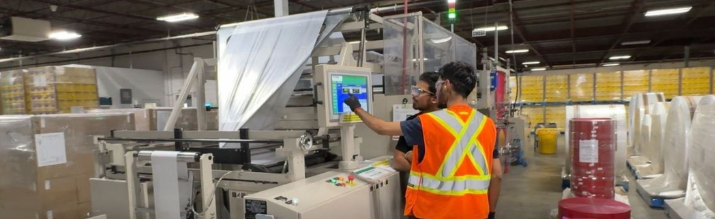
At EcoPoly/Polyethics, heat safety is inseparable from operational excellence. Production environments involving extrusion equipment and film lines generate substantial radiant and ambient heat, placing floor workers in conditions that demand a structured, proactive heat safety program.
Protecting workers from heat stress is not only the right thing to do, it directly supports the productivity, retention, and well-being of the skilled workforce behind every product manufactured. As climate change drives longer and more intense heat periods across Ontario, a formal heat safety program is a business imperative for any manufacturer serious about its people and its performance. EcoPoly & Polyethics’ commitment to sustainability extends beyond the products on the shelf—it begins right here on our production floor.
In Summary: Building a Heat-Resilient Ontario Workplace
Heat stress at work is preventable. The conditions that create it are identifiable, measurable, and controllable. The leading causes—insufficient hydration, absent rest breaks, no acclimatization program, and untrained supervisors—are all within an employer’s direct control. Ontario’s OHSA General Duty Clause already requires employers to act, and the Ministry of Labour enforces it. Federally regulated workplaces look to the ACGIH TLVs for heat exposure benchmarks. The ILO, WMO, and leading occupational health bodies have made clear that heat stress will intensify as global temperatures rise. CCOHS and OHCOW provide the practical tools to act on all of this today.
Organizations that invest in heat safety programs now—written prevention plans, humidex-based monitoring, acclimatization protocols, and structured worker training—will reduce injuries, lower WSIB claims costs, maintain productivity through the hottest months, and demonstrate the kind of responsible employer culture that attracts and retains skilled people in a competitive labour market.
For Ontario-specific resources, start with CCOHS’s Working in Hot Environments guide, the OHCOW Heat Stress Toolkit, and your region’s Ministry of Labour guidance. Consult a certified occupational health and safety professional for workplace-specific program design.
Sources and Authoritative References
- Ontario Occupational Health and Safety Act (OHSA), ss. 25(2)(h), 27(2)(c), Part V.
- Canadian Centre for Occupational Health and Safety (CCOHS) — Hot Environments Health Effects, Control Measures, and Humidex Guidelines.
- Workplace Safety and Insurance Board (WSIB) Ontario — Lost-time claims data & injury statistics.
- Occupational Health Clinics for Ontario Workers (OHCOW) — Humidex-Based Heat Stress Response Plan and Heat Stress Toolkit.
- International Labour Organization (ILO) — Reports: *Ensuring Safety and Health at Work in a Changing Climate* (April 2024) and *Heat at Work: Implications for Safety and Health* (August 2024).
- World Health Organization (WHO) & World Meteorological Organization (WMO) — Joint Workplace Heat Stress Q&A and Climate Data.
- Flouris et al. (2019). “Occupational heat stress in the world: A systematic review.” The Lancet Planetary Health.
- American Conference of Governmental Industrial Hygienists (ACGIH) — Threshold Limit Values (TLVs) for Heat Stress.
- Environment Canada — National Weather Observation and Historical Climate Highs.
Disclaimer: This article is provided for educational and informational purposes. For workplace-specific guidance, consult a certified occupational health and safety professional registered in Ontario.