Beyond the Bin: The Proven Secrets of How a Garbage Bags Manufacturer Builds a Circular Economy
Every day, millions of garbage bags are tied up and placed at the curb. For most people, that’s the end of the story. In reality, it’s just the beginning.
Once your waste leaves your home or business, it enters a complex system of collection, sorting, recycling, composting, and disposal. The efficiency of that system depends not only on municipalities and waste management facilities, but also on consumers and the manufacturers that design the products used to collect and contain waste.
As a garbage bags manufacturer, EcoPoly/Polyethics understands that a garbage bag is more than a disposable product. It is part of a much larger waste management ecosystem. By designing durable products and manufacturing them in a closed-loop system using post-consumer recycled plastics, we help keep valuable materials in circulation and support a more sustainable future.
The Journey Begins with Collection
Once waste is placed outside for collection, it is transported by municipal or private waste collection services. Depending on local regulations and how the waste was sorted, it generally follows one of three paths:
- Recycling facilities: Recyclable materials are sent to material recovery facilities where they are sorted, cleaned, and prepared for reprocessing.
- Composting facilities: Organic waste may be composted or processed through other organics recovery programs.
- Landfills: Non-recyclable waste is generally sent to landfill or, in some regions, waste-to-energy facilities.
The destination of your waste is largely determined before the collection truck even arrives. Proper sorting at home, at work, or in industrial facilities plays one of the biggest roles in improving recycling rates and reducing landfill waste.
Small Decisions Have a Big Impact
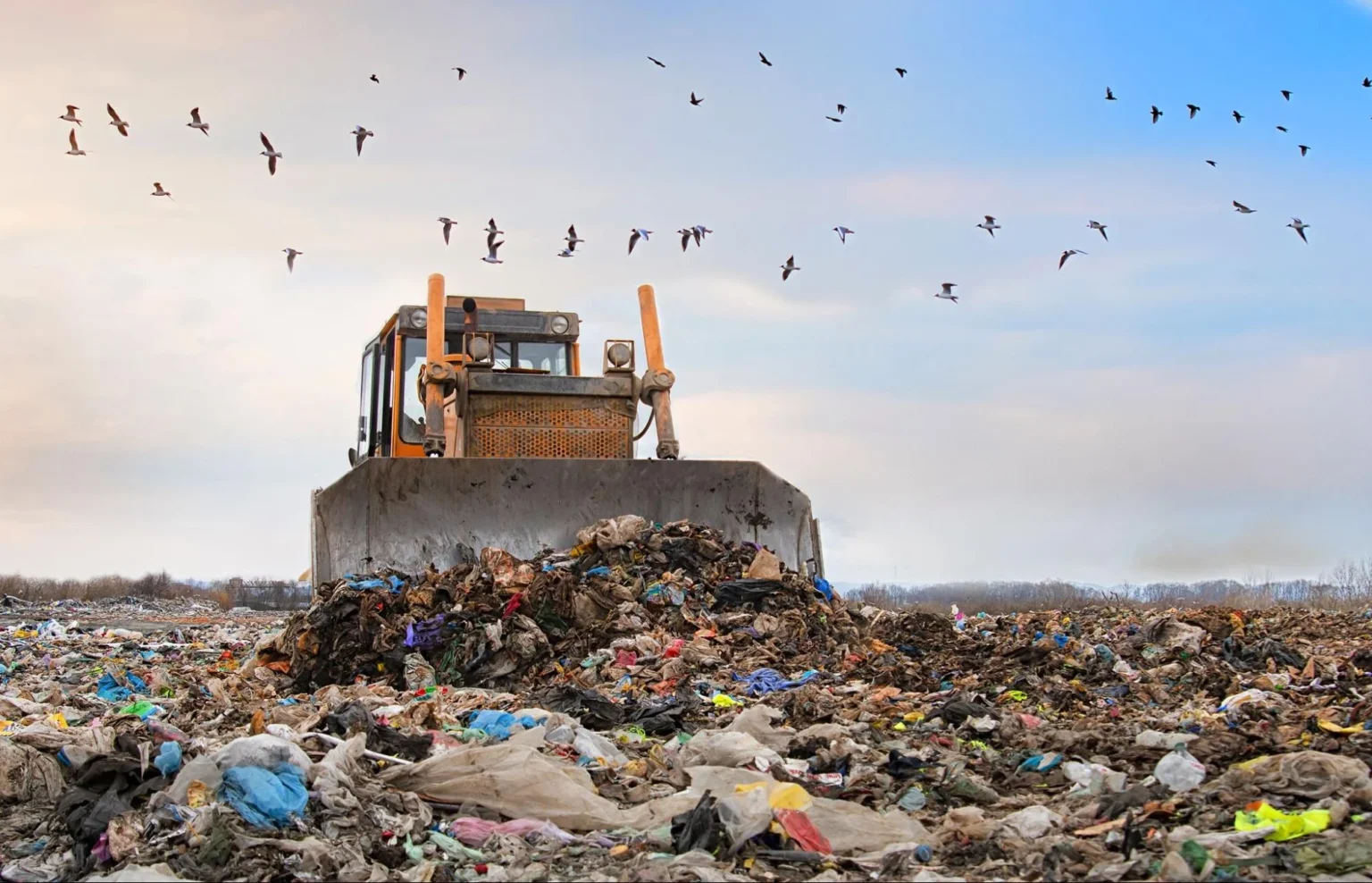
A single misplaced item can affect an entire recycling stream. Food residue can contaminate recyclable materials, while recyclable plastics disposed of as garbage are often lost as valuable resources. Likewise, organic waste buried in landfills generates methane, a greenhouse gas with a significantly higher warming potential than carbon dioxide.
Waste reduction doesn’t begin at the recycling facility. It begins with informed decisions about how materials are separated and managed every day in households and businesses.
Where Manufacturers Make a Difference
Most people think about sustainability after a product has been used. Responsible manufacturers think about it much earlier.
A garbage bags manufacturer influences sustainability through product design, material selection, manufacturing processes, and product performance.
Well-designed garbage bags should:
- * Resist punctures and tears during collection.
- * Prevent leaks that can contaminate recycling streams.
- * Use only the amount of material necessary to deliver reliable performance.
- * Support the specific needs of households, businesses, municipalities, and industrial users.
When products perform as intended, waste collection becomes safer, cleaner, and more efficient.

Closing the Loop with Post-Consumer Plastics
At EcoPoly/Polyethics, sustainability extends beyond the finished product. It begins with the raw materials.
Our manufacturing process is built around a closed-loop system that transforms post-consumer plastics into high-quality garbage bags and packaging products. Instead of relying exclusively on virgin plastic, we recover materials that have already completed one life cycle and give them a new purpose.
This approach delivers several important benefits:
- * It reduces demand for new fossil-based raw materials.
- * It keeps valuable plastic resources in circulation longer.
- * It helps divert plastic from landfill.
- * It supports the principles of a circular economy, where materials are continuously recovered and reused whenever possible.
For us, plastic isn’t simply waste. It’s a resource with the potential for another life.
Manufacturing Sustainability
Beyond Recycled Content
Using recycled material is only one part of responsible manufacturing.
A truly sustainable operation also focuses on reducing waste throughout the production process itself.
At EcoPoly/Polyethics, our closed-loop manufacturing system is designed so that manufacturing waste generated during production is reclaimed and reprocessed within our operations. Combined with efficient manufacturing practices, this helps minimize material loss while maximizing resource utilization.
The result is a manufacturing model that aligns environmental responsibility with consistent product quality, proving that recycled-content products can deliver the durability customers expect.

Supporting Communities and Municipal Recycling Programs
Across North America, municipalities continue to strengthen waste diversion programs. Many communities now encourage or require the separation of recyclables, organics, and garbage. Some have also introduced clear garbage bag programs to improve waste visibility and reduce contamination.
Manufacturers play an important supporting role by developing products that help residents and businesses participate successfully in these programs.
By providing durable products designed for different waste streams, manufacturers contribute to cleaner collection systems and more effective recycling operations.
Looking Beyond the Garbage Bag
The future of waste management isn’t about producing more plastic. It’s about making better use of the plastic that already exists.
Innovation in material science, recycling technologies, and manufacturing processes is making it possible to create products with high recycled content while maintaining the strength, reliability, and performance consumers expect.
As these technologies continue to advance, manufacturers have an opportunity to become active participants in the circular economy rather than simply suppliers of disposable products.
Building a More Sustainable Future Together
Every garbage bag has a story that extends far beyond the kitchen bin. It becomes part of a much larger system that determines whether materials are recovered, recycled, composted, or discarded.
Consumers influence that system through responsible waste sorting. Municipalities strengthen it through effective recycling programs. And a garbage bags manufacturer helps shape it by designing products and manufacturing processes that make resource recovery more efficient.
At EcoPoly/Polyethics, we believe the future of waste management isn’t simply about disposing of waste more responsibly. It’s about keeping valuable materials in use for as long as possible. Through our closed-loop manufacturing system, post-consumer plastics become the raw material for new products, demonstrating how today’s waste can become tomorrow’s solution.
Because a more sustainable future doesn’t begin when waste reaches the curb. It begins with the decisions we make long before that.