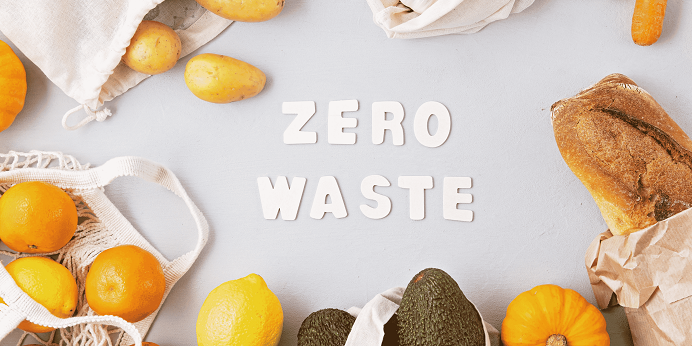
Every year, billions of tonnes of food are wasted globally and a significant portion of that waste starts right in our own kitchens. As a committed garbage bags manufacturer, Ecopoly/Polyethics believes that waste management begins long before anything ever reaches the bin.
Whether you’re looking to save money on groceries, lower your household’s carbon footprint, or simply run a more efficient kitchen, reducing food waste is one of the most impactful habits you can build. Here are ten practical, proven tips to help you do that exactly.
TIP 01
Plan Your Meals Before You Shop
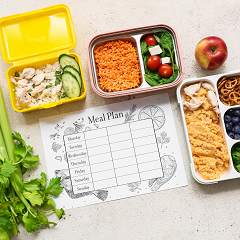
One of the simplest and most effective ways to prevent food waste is to plan your meals for the week before heading to the grocery store. A clear meal plan means you buy only what you need, no more impulse purchases that end up forgotten at the back of the fridge. Take 10 minutes on Sunday to map out your dinners, and your wallet (and bin) will thank you.
TIP 02
Store Food the Right Way
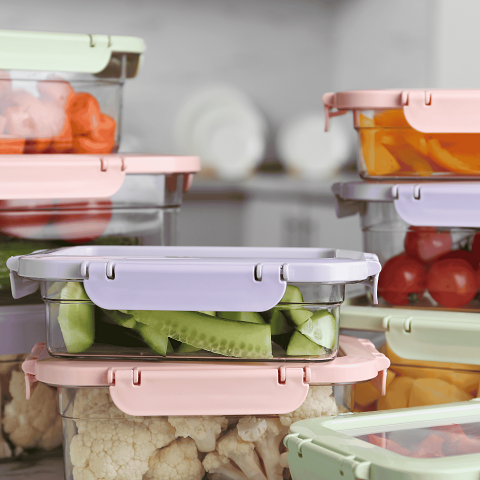
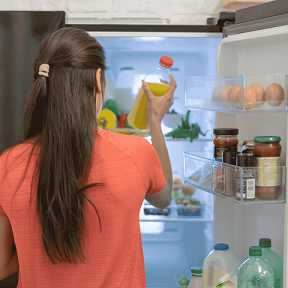
Improper storage is one of the biggest culprits behind food going bad prematurely. Keep herbs in a glass of water in the fridge, store berries unwashed, and ensure your fridge temperature sits between 1–4°C. Proper food storage can extend shelf life by days or even weeks. And when food does eventually need to be disposed of, using high-quality bags from a trusted garbage bags manufacturer like Ecopoly ensures your waste is contained cleanly and responsibly.
TIP 03
Master the Art of Freezing
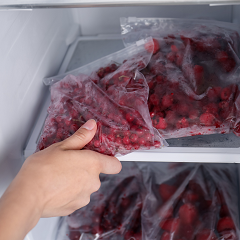
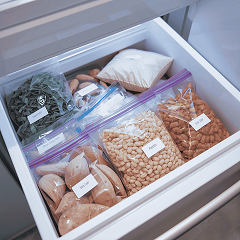
Your freezer is one of the most powerful tools in your anti-waste arsenal. Leftovers, excess bread, fresh herbs, surplus dairy products like milk and cheese… All of these can be frozen and used later. Think of your freezer as a pause button for food. Rather than tossing food that’s approaching its use-by date, freeze it before it turns.
TIP 04
Label and Date Everything You Freeze
Freezing food only works if you actually remember what’s in there. Make it a habit to label every container or bag with its contents and the date it was frozen. A simple label can be the difference between a delicious ready-made meal and a mysterious block of ice that ends up in the bin.
TIP 05
Keep Potatoes and Onions Seperated
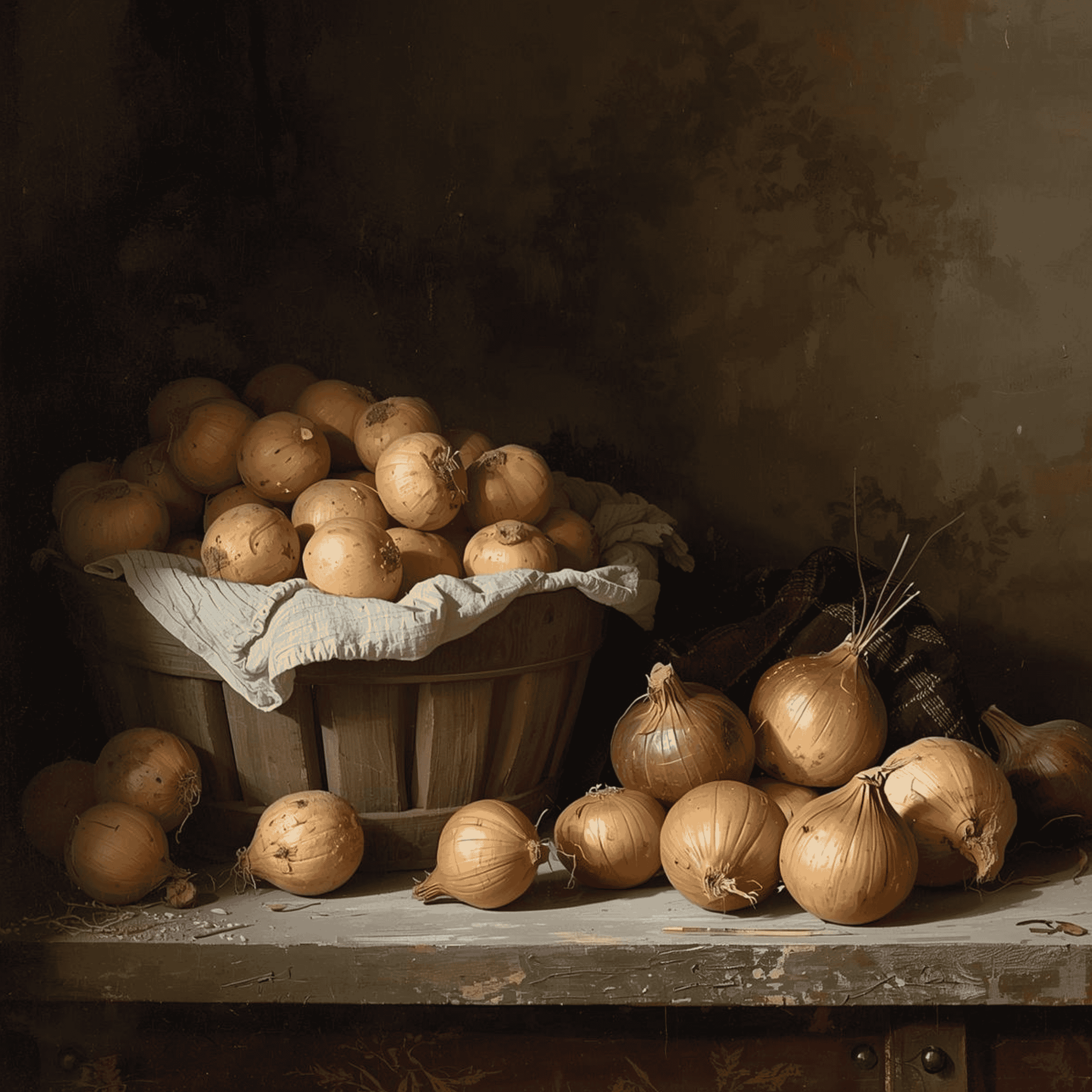
This is a lesser known but surprisingly important tip: never store potatoes and onions together. While both prefer cool, dark environments, placing them side-by-side causes them to release gases that accelerate each other’s spoilage and sprouting. Store potatoes in the pantry and onions in a separate, well-ventilated spot to keep both fresher for longer.
TIP 06
Do a Weekly Fridge Audit
Make it a weekly ritual to scan your fridge and check expiration dates. Anything that’s nearing its end should move to the front. Out of sight, out of mind is the enemy of reducing waste. Build a “use it up” dinner once a week around whatever needs to be consumed soonest. This one habit alone can dramatically cut down on how often food gets thrown away.
TIP 07
Get Creative with Leftovers
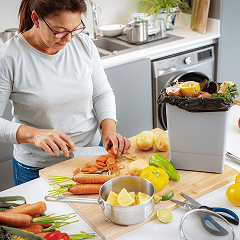
Leftovers don’t have to mean eating the exact same meal twice. Think of them as ingredients, not repeats. Last night’s roasted chicken becomes today’s chicken salad sandwich. Leftover rice transforms into a quick fried rice. Wilting vegetables are perfect for a hearty soup or stir-fry. A little creativity in the kitchen is one of the most enjoyable ways to fight food waste.
TIP 08
Shop Smarter. Resist Bulk Buy Temptation.
Bulk deals can feel like great value, but they often lead to overbuying, especially for perishable items. Buy only what you realistically need for the week ahead. If a bulk deal genuinely makes sense, only take it for non-perishable items you know you’ll use. A mindful shopping list is the first line of defense against a wasteful kitchen.
TIP 09
Share Surplus Food with Others
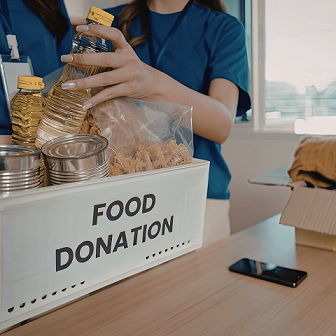
Have more food than you can eat? Don’t let it go to waste! Pass it on. Offer surplus produce to neighbours, bring extras to friends and family, or donate non-perishables to a local food bank. Apps like “Too Good To Go” also make it easy to give away food at low cost. Sharing is not just generous, it’s one of the most direct ways to keep food out of landfill.
TIP 10
Dispose Responsibly. Choose the Right Garbage Bags.
Even the most waste-conscious kitchen will have unavoidable food scraps. How you dispose of them matters. As a dedicated garbage bags manufacturer, Ecopoly/Polyethics designs bags that are durable, leak-proof, and built with environmental responsibility in mind so that what does go to waste is handled cleanly and with minimal impact. Pairing smart kitchen habits with quality waste management products closes the loop on truly sustainable living.
Final Thoughts
Reducing food waste at home doesn’t require a dramatic lifestyle overhaul. It starts with small, consistent habits. Plan ahead, store smartly, get creative, and when disposal is unavoidable, make sure it’s done right. At Ecopoly/Polyethics, as a trusted garbage bags manufacturer committed to sustainability, we believe every choice from the grocery store to the bin is an opportunity to do better for the planet.
Explore Ecopoly’s full range of eco-conscious waste management solutions here.